



How to Choose Laminated Tubes for Different Skincare Application Methods

Nous sommes une usine d'emballages cosmétiques personnalisés offrant un service complet et possédant plus de 20 ans d'expérience dans la personnalisation de tubes cosmétiques, tubes souples, tubes ABL, tubes PBL, tubes à pompe airless, tubes de gloss à lèvres et tubes de soins de la peau. PCR (recyclage post-consommation) ) Tube , etc.
Application Methods
The right laminated tubes for your product depend on two things: how you apply the product and how sensitive the formula is. A mismatched package can leak, degrade active ingredients, or frustrate users. Match tube type, barrier level, and applicator to the application method, and you solve most packaging problems before they start. First, assess formula sensitivity. Then choose a laminate tubes structure and closure that fit the dispensing style. Lisson offers a range of options for every skincare need, from thin serums to thick balms.
Key Takeaways
-
Match the tube to your product's application method. This prevents leaks and waste.
-
Choose the right barrier for your formula. ABL tubes protect sensitive ingredients like vitamin C. PBL tubes are better for recycling.
-
Pick a closure that fits how users apply the product. Flip-tops work for lotions. Nozzles work for serums.
-
Test your formula with the tube before production. This catches problems early and saves money.
-
Consider size and sustainability. Oval tubes stand out on shelves. PBL tubes are easier to recycle.
Choose Laminated Tubes by Application Method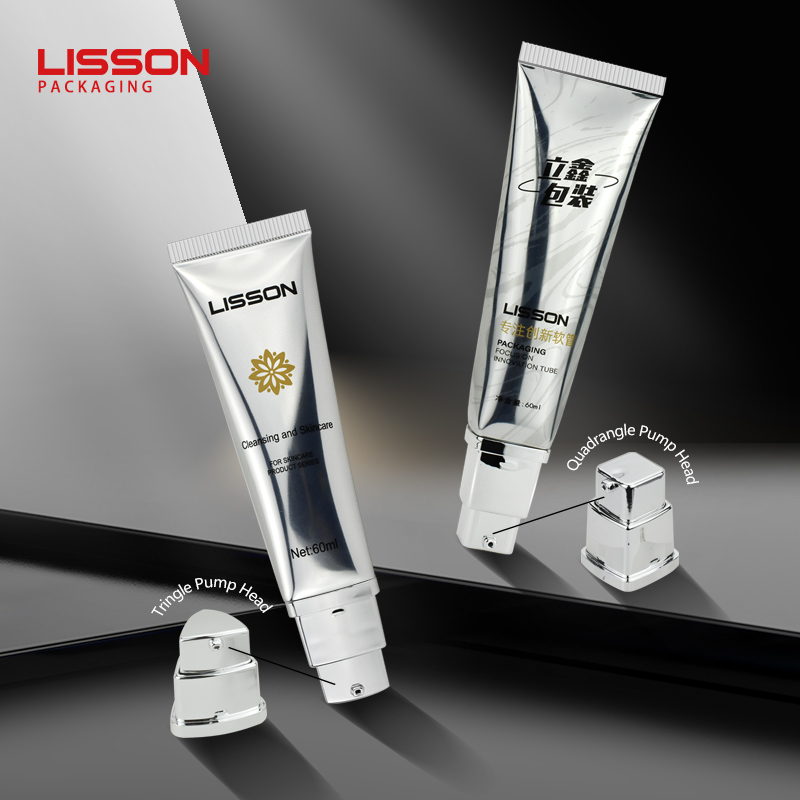
Your application method sets the first hard requirement for tube design. A serum demands drop-level control. A body cream demands an easy squeeze. A thick ointment demands a wide opening and strong barrier protection. Match the tube to the way users dispense the product, and you avoid leaks, waste, and frustration.
Serums and Thin Liquids
Thin, watery formulas flow fast. They need precise dispensing and low residual waste, so a narrow orifice or a precision tip works best. A fine-mist sprayer atomizes water-like liquids through a narrow nozzle, which suits watery serums and facial sprays. A glass dropper delivers a small, controlled, drop-by-drop dose for essential oils and facial oils. For oxygen-sensitive thin serums, choose a sealed airless system over a dropper to reduce oxidation risk. Airless tubes use a rising piston to push product to the nozzle without a dip tube, so the formula never meets outside air. One caution: very thin formulas can splatter when paired with a strong, fine-output pump that shoots a narrow jet. Test the actual formula with the proposed opening before you commit.
Creams, Lotions, and Thick Ointments
Creams and lotions need consistent flow and an easy squeeze. A soft wall that recovers its shape after squeezing supports this, and LDPE or a PE blend is the correct answer for creams. A flip-top cap is the default for lotion, while a disc-top cap handles thicker creams. These closures rely on the flexible squeeze properties of the container, so users push product through the opened spout with gentle hand pressure. Thick ointments and balms need a wider orifice and higher barrier protection. A stiff wall helps here, and pharmaceutical ointments often require a barrier laminate. The table below summarizes the match between product type and tube design.
|
Product Type |
Wall Stiffness / Recovery |
Orifice / Closure |
Barrier Requirement |
|---|---|---|---|
|
Serums |
Smaller fills |
Narrower orifices; nozzle or precision tip |
Barrier laminate only where formula is oxygen sensitive |
|
Creams |
LDPE or PE blend (soft, good recovery) |
Disc-top cap for thicker creams |
Barrier laminate not needed for most creams |
|
Lotions |
Soft wall that recovers shape |
Flip-top cap (default for lotion) |
Standard PE sufficient |
|
Thick ointments |
Stiffer wall |
Wider orifice |
Barrier laminate for pharmaceutical ointments |
Viscosity drives every one of these choices. Thin formulas flow easily, while thick creams and balms require more squeezing force and a structure that handles higher resistance to flow. An opening that is too large releases too much product in one squeeze. An opening that is too small forces excessive squeezing on a thick formula.
Common outlet references include approximately 1.5 mm, 3 mm, and 5 mm, but these are not universal rules. Confirm the final outlet size with your actual formula viscosity and desired dispensing behavior. Lisson can help you match tube specs to each application method, from a narrow serum nozzle to a wide ointment opening.
Laminate Types and Barrier Protection
You face a critical choice between two main laminate tube types: aluminum barrier laminate and plastic barrier laminate. Each option delivers different barrier properties and material compatibility profiles. Your formula's sensitivity and your brand's sustainability goals drive this decision.
ABL vs. PBL for Material Compatibility
An aluminum barrier laminate tube contains a thin aluminum foil layer at its core. This foil sits between multiple polymer layers and creates a near-absolute barrier against oxygen and moisture. Oxygen transmission approaches zero with this structure. Water vapor transmission also stays near zero. The aluminum layer blocks light, prevents fragrance loss, and maintains stable performance regardless of ambient humidity. Choose an aluminum barrier laminate when your formula contains aggressive actives like vitamin C, retinol, or AHA acids. These ingredients demand high barrier protection to extend shelf life and preserve potency during transit and on shelf.
A plastic barrier laminate tube replaces the foil with EVOH, which stands for ethylene vinyl alcohol. All layers are polyolefin or EVOH with no metal content. This structure delivers good barrier performance suitable for many skincare formulas. Oxygen transmission runs measurably higher than ABL, typically by one to two orders of magnitude. Water vapor transmission also exceeds ABL because EVOH is moisture-sensitive. Barrier performance drops at high relative humidity, though polyolefin layers partially mitigate this effect. A plastic barrier laminate offers better appearance, squeeze recovery, and sustainability positioning. Most recycling programs accept PBL tubes because they are fully recyclable. ABL tubes face recycling challenges due to their aluminum content.
Material compatibility requires testing before production. Acidic ingredients and oils can damage certain plastic layers inside laminate tubes. Aluminum in ABL inner layers can react with low-pH formulas, so a protective internal coating is essential. Acidic ingredients may migrate into or react with internal coatings and liner layers. This compromises tube structure or contaminates the formula. Always test your actual formula with your chosen tube material before filling.
Viscosity and Dispensing Needs
Your formula's viscosity and dispensing needs connect directly to laminate choice. Thicker formulas may require different layer structures to handle higher resistance to flow. A stiffer wall helps thick ointments move through wider orifices. Thinner serums work well with softer walls and narrower openings. The barrier layer you select must support the squeeze force your product demands.
Consider polyethylene with EVOH barrier as a middle option. This non-laminated multilayer structure improves oxygen barrier while retaining PE-like handling. It suits brands seeking better barrier protection without full aluminum construction. Multi-layer cosmetic packaging structures give you flexibility across product lines.
Lisson offers both aluminum barrier laminate and plastic barrier laminate options for different barrier requirements. Their team can help you match tube specifications to your formula's sensitivity and viscosity profile.
PBL tubes are easier to recycle, but ABL tubes can help stop waste by keeping products fresh. If your brand cares about the environment, PBL tubes are a smart pick. If you need the best barrier, pick ABL tubes.
Closures and Applicators for Usability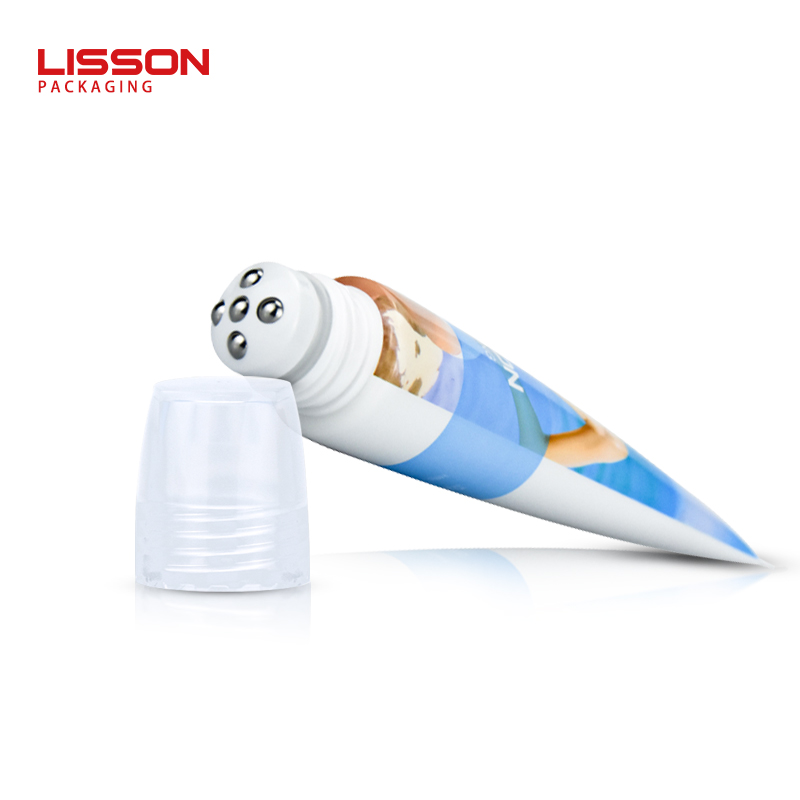
The closure you choose determines how users interact with your product every single day. A flip-top cap that snaps shut with one hand feels convenient. A screw cap that requires two hands feels like a chore. The right closure matches the application method, the formula viscosity, and the user's expectations. You also need to check tube diameter against a compatible closure model before finalizing your design. Application alone does not determine closure choice. Filling product, dispensing requirements, and tube diameter all play a role.
Nozzles, Flip-Tops, and Slanted Tips
Different skincare products demand different dispensing mechanisms. A serum needs a narrow nozzle for controlled drops. A daily moisturizer works best with a flip-top cap for quick, one-handed use. A lip treatment or spot corrector benefits from a slanted tip that follows the contour of the application area.
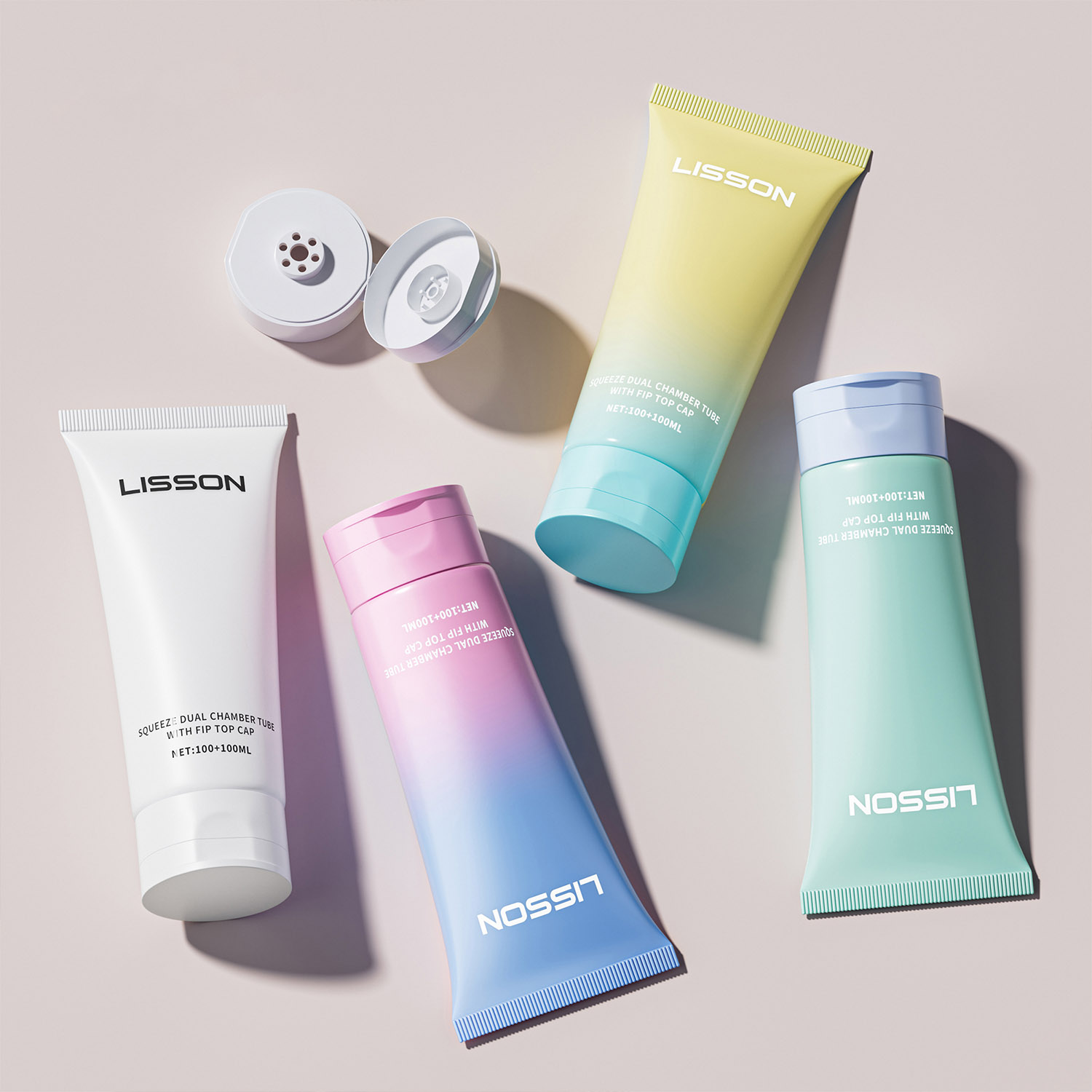
Flip-top caps come in regular and low-profile versions. Both offer one-handed dispensing and a hygienic seal. Low-profile versions reduce plastic usage while keeping the same convenience. These caps suit daily creams, lotions, and body products. For a five roller body lotion tube, a flip-top or screw cap allows users to dispense lotion quickly after a shower. The closure must handle repeated opening and closing without losing its seal.
Screw-on closures, also called CT caps, come in double-wall and single-wall designs. These traditional twist-off caps suit creams, treatments, and premium products. Induction-seal compatible caps provide tamper-evident sealing for e-commerce transit. This option protects product integrity during shipping and storage.
Nozzle applicators serve targeted skincare treatments. A precision nozzle works well for eye creams, spot treatments, and concentrated serums. The small orifice lets users dispense micro-doses directly onto delicate areas. This prevents overuse of potent active ingredients and minimizes finger contact for a more hygienic routine. Nozzle tubes also handle color cosmetics like liquid concealers, lip glosses, and liquid blushes. The controlled extrusion allows precise pigment placement.
For lip balms and spot treatments, consider flocked doe-foot wands attached to PETG or AS caps. These applicators come in 5ml to 15ml capacities and fit 16mm or 19mm tube diameters. A threaded screw cap with a customized inner wiper prevents leaks. The hygienic wand keeps fingers away from the formula. The tube itself protects active ingredients from air exposure compared to open jars.
You can also choose from brush, sponge, roller, slant-tip applicators and other specialized dispensing options. Each type serves a specific application method. Roller balls work for eye serums and spot treatments. Sponge tips suit concealer and foundation. Slant-tip applicators handle lip products and targeted treatments. Match the applicator to the user's expected application motion.
|
Closure Type |
Application Method / Suitability |
|---|---|
|
Flip-top caps (regular/low-profile) |
One-handed dispensing; hygienic seal. Low-profile versions reduce plastic while keeping the same convenience. |
|
CT/screw-on closures (double-wall/single-wall) |
Traditional twist-off application; suited to creams, treatments, and premium products. |
|
Induction-seal compatible caps |
Tamper-evident sealing for e-commerce transit; protects product integrity. |
Airless Options for Sensitive Formulas
Oxygen-sensitive products like vitamin C serums and retinol creams degrade quickly when exposed to air. Standard tubes with dip tubes draw air back into the package with every pump. This introduces oxygen and bacteria that break down active ingredients. An opaque, airless tube solves this problem by keeping the formula isolated from outside air throughout its life.
Airless tubes use a sealed dispensing system instead of a dip tube. An internal piston moves upward as product dispenses, or an inner chamber contracts to replace the product. Air never gets sucked back into the package. On release, the outlet valve closes and the inlet valve opens only to draw product into the pump chamber. This design prevents ambient oxygen from reaching the remaining formula.
The vacuum mechanism works like this: when you press the pump, a vacuum forms and pushes product toward the dispensing head. Zero air enters the tube. The formula stays protected from oxidation and bacteria. This reduced-oxygen environment directly supports oxygen-sensitive products. Vitamin C creams and retinol creams are common products that benefit from this format.
Airless packaging also extends shelf life naturally. One emerging anti-aging skincare brand in Southeast Asia switched from glass dropper bottles to 30ml acrylic double-wall airless bottles. The results were significant. Breakage reduced by 90%. Shelf life extended by 30%. User feedback noted the pump dispensed the perfect amount without waste. Direct-to-consumer sales increased 40% within three months.
The benefits go beyond preservation. With reduced exposure to oxygen and external contaminants, many brands can lower preservative levels. This supports sensitive skin and clean label positioning. Actives like Vitamin C, Retinol, Niacinamide, and Peptides degrade quickly with air and light exposure. Airless systems help extend shelf-life and efficacy. Hygienic application becomes touch-free and contamination-proof, which matters in clinical or post-procedure environments. Controlled dosing means no waste and consistent dosing for potent actives.
Traditional packaging allows bacteria from hands and air into the product. Open-mouth jars are the worst offenders. Tubes can draw air back in, introducing microbes. Frequent exposure degrades active ingredients like vitamin C. Airless pump bottles prevent bacteria and finger contact. No straw or tube means fewer germ hiding spots. This makes them ideal for sensitive skincare with minimal preservatives.
Lisson provides closure matching to application methods. Their team can help you select the right cap, nozzle, or applicator for your specific formula and user experience goals. Whether you need a simple flip-top for daily lotion or a precision airless pump for a vitamin C serum, the closure must match the application method.
Size, Sustainability, and Shelf Appeal
Tube size and shape shape the user experience before anyone opens the cap. A 5 mL oval tube feels premium in the hand. A 250 mL round tube feels practical on a bathroom shelf. Laminated tubes are expected to hold roughly 43.9% market share in 2026 and remain the fastest-growing category. That dominance comes from visual merchandising benefits. Lightweight structure, flexibility, and compatibility with advanced printing improve product visibility on retail shelves. Skincare brands frequently use laminated tubes for moisturizers, facial cleansers, and sunscreen. Product appearance and convenience critically influence purchasing decisions in personal care.
Tube Dimensions and Custom Finishing
Round tubes offer a classic, timeless appearance. They line up neatly and create a clean shelf look. They may blend in with other products and not grab attention immediately. Oval tubes present a modern, stylish feel. They break the usual shelf pattern and stand out. Retail studies show non-linear shapes like ovals catch the eye faster by disrupting normal scanning patterns. Oval tubes range from 16 mm to 50 mm in diameter with fill volumes from 5 mL to 250 mL. They provide larger surface area for bold graphics and branding. Estée Lauder and L'Oréal have adopted decorative laminated tubes for premium skincare. Manufacturers like Berry Global and Albéa introduced digital printing and metallized finishes to enhance shelf visibility.
Custom finishing options include matte, gloss, and soft-touch coatings. You can also add decoration through silk screening, hot stamping, or digital printing. A double silicone roller massage tube, for example, pairs a soft-touch finish with an applicator that massages product into the skin. This design feature enhances usability and creates a distinctive shelf presence.
Eco-Friendly Laminates and Design Space
Sustainability now drives material selection. PBL and mono-material laminate tubes simplify recycling because they use plastic-based layers. Mono-material structures improve compatibility with local recycling systems. Recyclable laminate tubes can reduce non-recyclable content by up to 60% compared with aluminum-heavy formats. ABL tubes combine plastic with aluminum layers. Separating those materials is expensive and infrastructure-dependent. Brand owners are shifting toward recyclable and mono-material PBL tubes to meet environmental goals. Multi-layer aluminum packaging faces regulatory pressure and ranks among the hardest formats to recycle.
High-barrier performance still matters. Some formulas can move to mono-material tubes. Others require multi-layer protection to maintain shelf life. You must review barrier needs against sustainability targets for each product.
Laminate tubes have seams and need enough crimp space. Without adequate crimp area, the seal can cut into your design. Always leave room for the crimp zone when you lay out artwork. Lisson offers sustainable laminate options and design consultation to help you balance shelf appeal with recyclability.
Choose the Perfect Laminate Tubes for Your Formula
Prototype and Test Before Production
You must test your actual formula with the tube material before mass production. Do not rely only on supplier specifications. Test actual samples. A tube that performs well in a lab sample may fail when filled with your specific product. Run a leakage test to check seal and closure integrity. A drop test measures resistance to impact. A compression test checks tube strength. A cap opening test evaluates closure performance, and a torque test confirms cap consistency. An adhesion test verifies print durability. A compatibility test examines how your formula and packaging interact. An aging or stability test tracks long-term performance, and a transportation simulation confirms shipping durability. Not every project requires every test. Build your test plan around the actual product.
When you choose the perfect laminate tubes, you also need to confirm several items before production. Finalize your formula by confirming viscosity, density, active ingredients, and compatibility requirements. Confirm fill volume, net content, and required headspace. Approve the material, diameter, closure, and artwork. Sign a golden sample as your production standard. Complete a filling trial to validate tube feeding, filling, orientation, and sealing. These steps protect your shelf life and your brand reputation.
Selecting the Cosmetic Tube for Your Formula
To select the right cosmetic tube for your formula, review four factors in order: application, material, barrier, and decoration. Start with the formula brief. Define viscosity, pH, oil or solvent content, fragrance, active ingredients, and known sensitivities. Then set your pack performance needs: fill volume, tube diameter, dispensing dose, orifice, and cap style. Compare production-intent samples using the same formula and test conditions. A Metal Roller Ball Cosmetic Tube, for example, suits targeted treatments that need precise, mess-free application.
Material compatibility and barrier protection drive the final choice. Start with ABL when maximum barrier and opacity are essential. Start with PBL when balanced barrier performance, print quality, and recovery matter most. Start with PE when moderate barrier and a soft, economical squeeze are sufficient. Run compatibility testing on the complete package, including shoulder, neck, closure, and seal. Confirm the right tube for your formula only after the filled pack passes your agreed tests. Lisson can supply samples and support your prototyping. When you choose the perfect laminate tubes, you choose the right cosmetic tube for your formula. Choose the perfect laminate tubes, and you choose the right cosmetic tube for your formula. Choose the perfect laminate tubes, and you secure the right cosmetic tube for your formula. Choose the perfect laminate tubes, and you protect your shelf life. Choose the perfect laminate tubes, and you extend your shelf life. Choose the perfect laminate tubes, and you safeguard your shelf life. Choose the perfect laminate tubes, and you build a skincare product that performs.
Start with your application method. Then assess formula sensitivity before choosing closure and barrier needs. An ABL plastic laminated tube protects aggressive actives.
A Five Roller Body Lotion Tube suits daily body care with easy dispensing.
Prototype every selection with your actual formula. This step catches costly leaks, ingredient degradation, and user complaints before mass production. A Double Silicone Roller Massage Tube supports massage application.
A Metal Roller Ball Cosmetic Tube targets precise spot treatment. Consult Lisson to narrow options for your skincare line. Request samples or a consultation before finalizing packaging. Tested laminate tubes always outperform a hundred untested promises in real-world use.
FAQ
How do I choose between ABL and PBL laminate tubes?
Start with your formula. Pick ABL when you need maximum oxygen and moisture barrier for actives like vitamin C or retinol. Pick PBL when you want recyclability, better print quality, and balanced barrier performance. Test your actual formula with both materials before you commit.
Do I always need an airless tube for sensitive skincare formulas?
No. Airless packaging helps when oxygen degrades your actives. Vitamin C, retinol, and peptide formulas benefit most. A standard tube with a good barrier laminate works fine for stable creams and lotions. Match the package to your formula's real sensitivity, not to a trend.
What orifice size should I use for my product?
Thin serums need narrow openings for controlled drops. Thick ointments need wider openings to reduce squeeze effort. Common references include roughly 1.5 mm, 3 mm, and 5 mm, but these are not universal rules. Confirm the final size with your formula's viscosity and your target dose.
How many samples should I test before production?
Test enough filled units to cover leakage, dispensing, shelf life, and shipping. Run a filling trial on production-intent samples. Sign a golden sample as your standard. This step catches seal failures and compatibility problems before you commit to a full run.
Can Lisson help me match a closure to my application method?
Yes. Lisson provides closure matching for flip-tops, screw caps, nozzles, airless pumps, and specialty applicators. Their team reviews your formula, fill volume, and user experience goals. Request samples or a consultation to narrow your options before finalizing packaging.